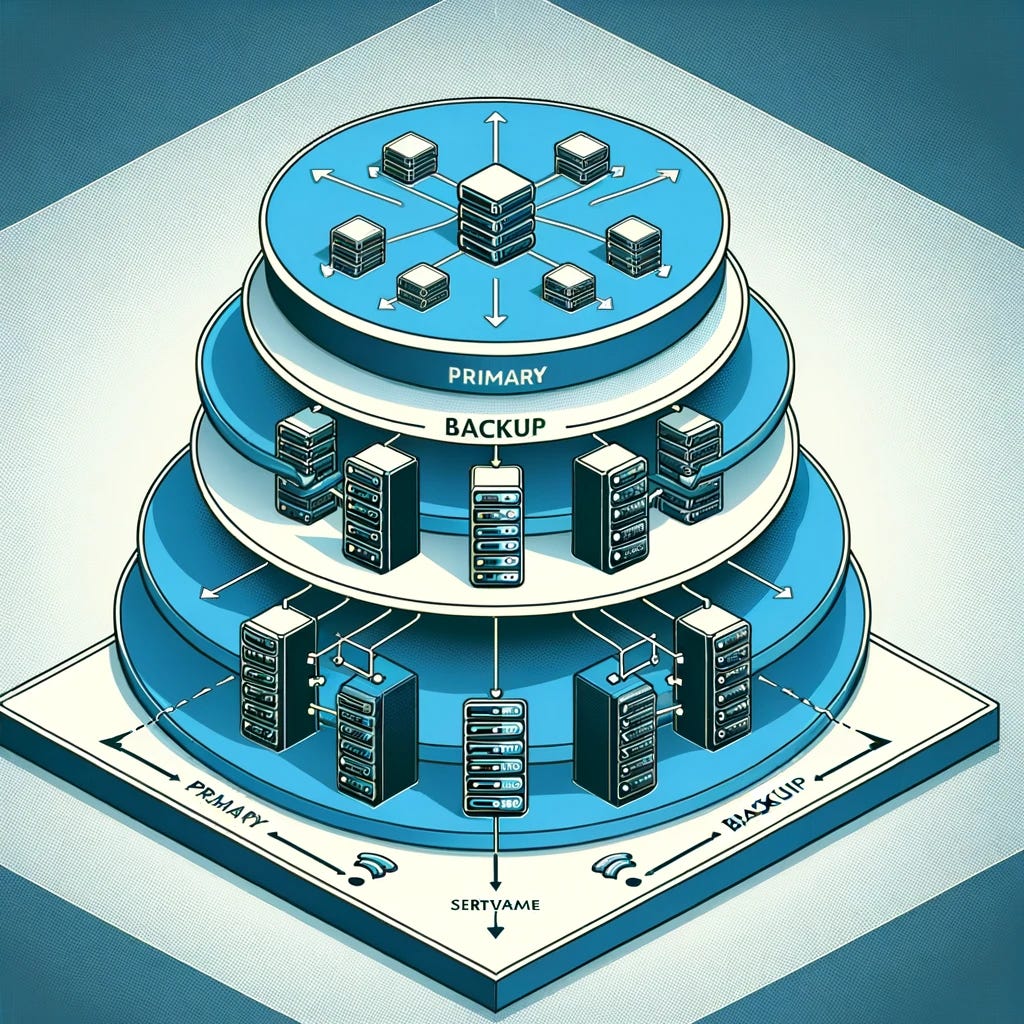
Node Structure
first try -- don't kill me

First attempt at TNT-Bank Node Structure
TNT-Bank Node Structure - Detailed Description with Licensing Focus
Client-Provided Nodes:
Requirement: All TNT-bank clients are mandated to provide a node.
Software: The nodes operate on open-source TNT-bank software, which is independently verifiable.
Customization: End users have the flexibility to modify the software to meet their unique requirements.
Licensing and Fees with the Haykov Foundation:
Public Use License Fee: Clients setting up TNT-based banks pay a minimal license fee to the Haykov Foundation. This fee supports making the technology freely available for public use, especially for exchanging existing money units like USD or gold.
New Coin Issuance License Fee: For issuing new coins using TNT technology, a negotiated licensing fee is required. This is due to the high-quality standards imposed by the Haykov Foundation on licensed currencies.
Quality Assurance and Fraud Prevention: The licensing agreement includes not just the use of the technology but also a collective effort to ensure the integrity of currencies and prevent fraudulent activities. We also offer our licensed clients additional security features, not available for public use, using ‘cloak’ and ‘shield’ to protect your new issued money units.
Contact and Negotiation: Prospective clients and coin issuers are encouraged to contact the Haykov Foundation for details on mutually beneficial licensing arrangements.


Trust-Anchor Core Nodes:
Role and Function: Central nodes responsible for main operations, transaction management, and ledger maintenance.
Selection Criteria: Chosen for their proven reliability and integrity.
Dual-Prime Nodes:
Backup Role: Act as fail-safes for trust-anchor core nodes.
Operational Synchronization: Maintain continuous sync with their respective core nodes for immediate takeover if needed.
Invalidator Nodes:
Surveillance Role: Monitor the activities of core and dual-prime nodes for any anomalies or illicit behavior.
Numerical Superiority: More in number to provide comprehensive network coverage and security.
Failover Mechanism:
Levels of Redundancy: In case of core node failure, responsibilities shift first to dual-prime nodes and then to invalidator nodes if necessary.
Ownership and Maintenance by Clients:
Direct Involvement: Clients own, operate, and maintain their respective nodes, ensuring vested interest in the network’s performance.
Network Configuration:
Hybrid Structure: A blend of centralized decision-making and distributed oversight.
Connectivity Standards: High-speed, secure, and redundant network connections for reliable communication.
Software Integrity and Modification Policy:
Modification Rights with Integrity Preservation: Clients can modify the software while ensuring the core principles and functionality remain intact.
Standard Compliance: All modifications are subject to standards set by the TNT-bank and Haykov Foundation.
This structure illustrates a robust and flexible system, balancing the need for central control with distributed security and oversight. The involvement of clients in providing and maintaining nodes, along with the ability to modify the software, suggests a highly adaptive and resilient network. The licensing fee serves as a financial foundation for the ongoing support and evolution of the TNT-bank infrastructure.
The Physical Organization of Nodes in a TNT-bank
Dual-Ring Node Structure in TNT-Bank Network

Primary Circle (DNA-like Structure):
Function: This circle comprises the primary core nodes responsible for critical operations and decision-making within the network.
Communication Protocol: When a server sends a message around this primary circle, it receives its own message back, confirming that all nodes in the circle have received the message.
Double-Check Mechanism: To doubly ensure message reception, the message is sent twice—once clockwise and once counterclockwise.
Dual-Backup Circle (RNA-like Structure):
Role: Acts as a backup system for the primary circle, consisting of dual-prime nodes.
Redundancy and Failover: In case of failure in the primary circle, the dual-backup circle takes over the responsibilities seamlessly.
Similar Communication Protocol: Employs the same method of message verification as the primary circle, enhancing the reliability of the network.
Closed-Circuit, Biologically Inspired Design:
Inspiration from Biological Structures: The design is inspired by the closed-circuit loops found in DNA and RNA, symbolizing a complex, interconnected, and resilient structure.
Advantages: This design offers high fault tolerance, efficient communication, and redundancy, ensuring that the network remains operational and secure under various scenarios.
Network Integrity and Security:
Monitoring by Invalidator Nodes: In addition to the dual-ring structure, invalidator nodes oversee the network for any irregularities, further reinforcing security.
Continuous Verification: The constant message passing and receipt verification in both circles ensure the integrity and synchronization of the entire network.
This dual-ring structure with primary and dual-backup circles, resembling biological loops, offers a sophisticated and secure way of managing a decentralized banking network. It ensures not just the efficient operation of the network but also its resilience to failures and security threats.